Future Fitz: The Art & Tech of Future Forecasting
Ever wonder how brands know we’re all about oversized blazers one season and micro-minis the next? It’s not magic, it’s a whole vibe—and a serious science. Welcome to the world of fashion forecasting. It’s the secret sauce that keeps the fashion industry a step ahead, predicting what we’ll be wearing, loving, and obsessing over before it even hits the racks.
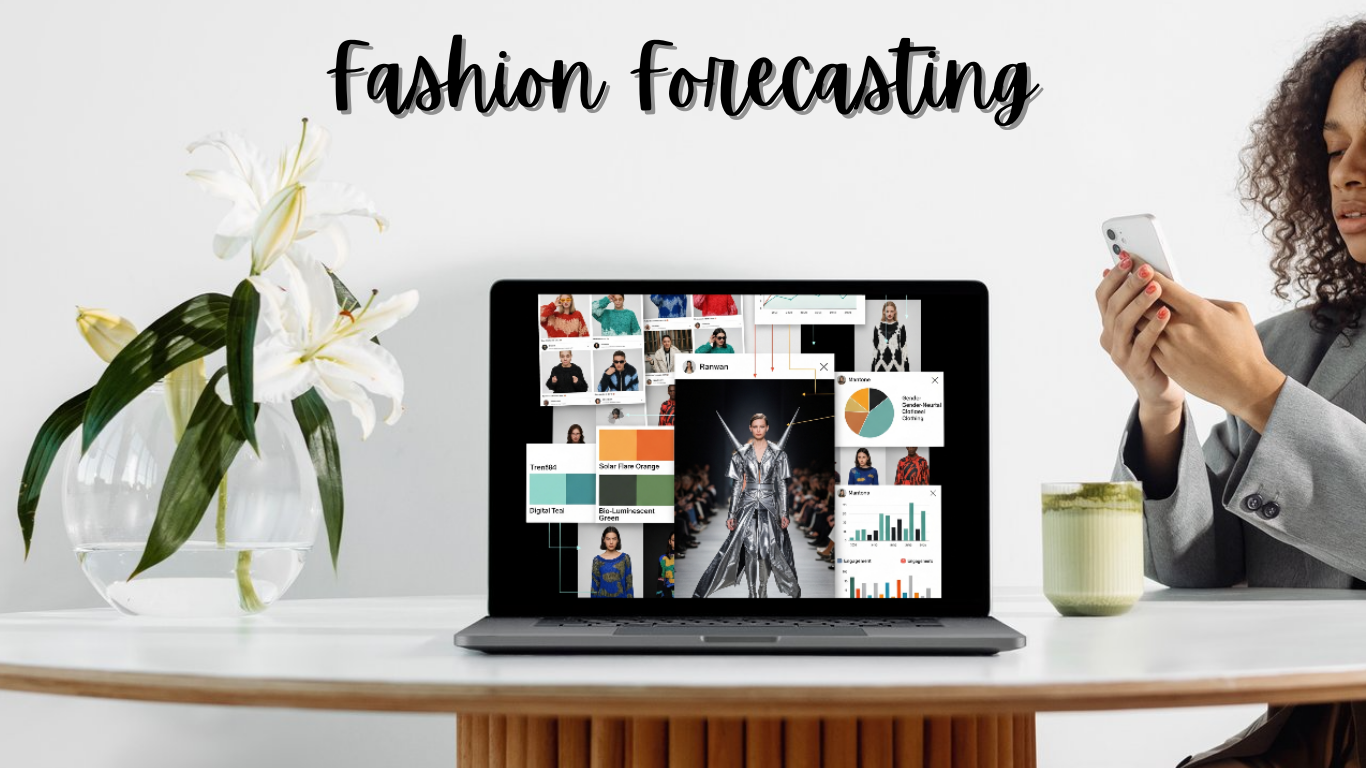
At its core, fashion forecasting is the art of predicting future trends. It’s a mix of cultural instinct, creative insight, and hardcore data analysis that helps designers and brands figure out what colours, silhouettes, fabrics, and styles are about to blow up in the coming FASHION SEASON. It’s not just about clothes; it’s about predicting society’s mood and consumer behaviour. Fashion forecasting is like being a style detective, a trend-spotting psychic who uses data and gut feeling to predict what’s next. From the runway to the streets, social media, and even global events. It’s a complex, multi-layered process that’s part art, part science. Here’s how it all goes down:
1. The Deep Dive: Research and Data Analysis: Before a single design sketch is made, forecasters are out there, gathering intel from every corner of culture. They don’t just look at what’s hot right now; they’re analysing what’s bubbling up from the streets, what’s a subtle shift on social media, and what macro-trends (like sustainability or the rise of AI) are shaping society. This isn’t just about looking at pretty pictures—it’s about crunching numbers. They’re tracking sales data, search engine queries, and social media analytics to get a clear picture of what consumers are actually interested in.
2. The Creative Mashup: Mood Board & Trend Identification: Once the data is in, the magic begins. Forecasters start to connect the dots, clustering their findings into key themes. This is where the mood board comes to life. It’s a visual story that brings together color palettes, fabric swatches, textures, and key silhouettes. They’ll pull inspiration from everything—a viral TikTok dance, a trolling social media feed, hashtags, visuals, a piece of avant-garde art, or a cultural moment that’s sparking conversation. These mood boards are more than just a collage; they’re the DNA of a future collection, a visual guide that tells a compelling story.
3. The Storytelling: Communicating the Forecast: The final step is translating all of this research and creativity into a clear, actionable forecast. This often takes the form of a detailed trend report. It’s a comprehensive guide that not only shows what’s coming but also explains why. These reports are the roadmap for the entire fashion pipeline—from designers who need to know what to create, to manufacturers who need to source materials, to retailers who need to stock their shelves. It’s the ultimate plan to ensure the right products get to the right people at the right time.
Ultimately, the process of fashion forecasting is what keeps the industry moving forward, pushing us beyond the trends of yesterday and into the styles of tomorrow. It’s a dynamic, ever-evolving process that’s more relevant than ever in our hyper-connected world.
Sources That Slay the Trend Game
So now that you have got the lowdown on the fashion forecasting process. Now, where do the pros—and the brands you love—get their intel? Forget the crystal ball; we’re diving into the real sources that tell us what’s next.
- The Industry Powerhouses (The Paid-For Forecasts): These are the big leagues, the platforms that fashion schools, designers, and major corporations pay big bucks to access. They’re a goldmine of data and analysis.
WGSN (Worth Global Style Network): The OG. They’ve been around forever and are basically the Wikipedia of trend forecasting. They predict everything from colours and prints to consumer behaviour years in advance.
Fashion Snoops: Known for their deep-dive, creative trend reports. They’re all about the vibe and the story behind a trend, blending cultural insights with commercial viability.
Trendstop: This one’s all about real-time trend intelligence. They are super-fast, delivering insights on fashion, beauty, and lifestyle to help brands stay ahead of the curve.
F-trend: They map trends across 19 clothing categories and accessories, focusing on consumer behaviour and providing regional insights.
2. AI-Powered Trend Detectives: The future is now! These platforms use AI to scan billions of images and data points to give a scientific edge to forecasting.
- Heuritech: They use AI to analyze what people are actually wearing on social media and the runways, giving brands a data-driven look at what’s rising and what’s on the decline.
- T-Fashion: A full-stack AI platform that provides real-time trend data, helping designers research, create, and collaborate at lightning speed.
3. The Free & Fierce Resources (Your Vibe Check): For the upcoming generation, the digital natives, a lot of forecasting happens on the social media feeds. You can get a legit head start just by paying attention.
- Pinterest Predicts: Pinterest’s annual report is fire. They track what’s blowing up on the platform and predict what’s going to be big next year. It’s a goldmine for aesthetic inspiration.
- Instagram: The birthplace of micro-trends. Watch what’s going viral—the core aesthetics, the styling hacks, and the Do-it-Yourself (DIYs). Pay attention to everything from how people are layering to the color palettes that are taking over your FYP (For-your-Page).
- Google Trends: This is your data playground. You can search for any term—’Quiet Luxury,’ ‘Goth‘, ‘Retro‘, ‘Balletcore,’ ‘Gorpcore‘—and see its popularity over time. It’s a literal graph of a trend’s life cycle.
DROP YOUR VIBE IN THE COMMENTS
What’s a micro-trend you’re seeing everywhere right now that you think is about to become a major moment? Is it the return of low-rise jeans? The rise of crochet accessories? Let us know what you’re predicting!
#FashionForecasting #SustainableStyle #FutureFits #Trendsetter