Christmas Cake: Rum Cake Recipe

Rum cake is a dense flavorful warm cake, traditionally eaten during Christmas. It is derived out of combination of historical factors, the first being, cake’s origins as a preserved fruit dessert, its rich flavor profile is immensely suitable for cold weather, and its evolution to a festive and communal holiday tradition across different cultures. Rum cake combines the traditional flavor of rum along with the strong flavour of spices.

Rum Cake is made by soaking the dried fruits in rum for weeks or even months before baking. This helps the berries and fruits to absorb the flavor deeply, giving it a unique taste that is a defining characteristic of the Christmas cake tradition. The rum cake is a cherished Christmas cake, prepared traditionally, as it embodies the festive spirit of sharing a rich, labor-intensive dessert, prepared generally in advance as a family activity, to mark the special occasion.

NOTE: THIS RECIPE MAKES 1.5 KG CAKE. ITS PRE-PREPRATION TIME IS 1 MONTH. PREPRATION TIME IS 3.5 HOURS.

INGREDIENTS
  • Black current                   – 100g
  • Pitted prunes                   – 100g
  • Dried Apricots                 – 100g
  • Dried Fig (Anjeer)           – 100g
  • Pitted Dates                    – 150g
  • Candied Ginger              – 50g
  • Sultanas                          – 300g
  • Tutti Fruity                       – 200g
  • Orange Marmalade       – 50g
  • Rum                                – 400ml
  • Unsalted Butter              – 225 g
  • Brown Sugar                   – 300-325 g (low-High Sugar)
  • Eggs                                – 4
  • Refined Flour                  – 225g
  • All Spice (cinnamon, green cardamom, black cardamom, black peppercorn, cloves) – 2 tsp
  • Nutmeg (grated)            – ½ tsp
  • Salt                                  – ½ tsp
  • Baking Powder               – ½ tsp
  • Fresh orange zest          – 2 tsp
  • Fresh lemon zest            – 2 tsp
  • Vanilla essence              – 2 tsp
  • Almonds (optional)        – 45 gm
  • Walnuts (optional)         -25 g
  • Cashew                           – 30 g
  • Cocoa powder               – for lining the cake tin
  • Icing Sugar – 50 g
PRE-PREPRATION PROCESS

Chop pitted prunes, dried apricots, dried figs, pitted dates and candied ginger into small pieces. Mix them with black currents, sultanas, tutti-fruity and orange marmalade. Put them in an airtight glass container and pour the rum into it. Keep it for at least 1 month, with regular stirring, to get full flavour in the throttle.


PREPRATION PROCESS
  • Take 225g unsalted butter, whisk it till its fluffy.
  • To this add 300-325g brown sugar, whisk it.
  • Add 4 eggs to it. Make sure to keep them on room temperature before adding and whisking the mixture. Note that the batter might appear curdled, but do not worry, it will settle down after further processing.
  • At this time prepare the cake tin. Coat the base and sides of the tin with melted butter and cocoa powder or refined flour and preheat the oven and the baking tin to 2500 Fahrenheit. (Cocoa powder does not leave white specks on the surface of the cake)
  • Now take a separate bowl, add refined flour, all spice mix, grated nutmeg, salt and baking powder. Sift this mixture from sieve, 2-3 times to mix it thoroughly.
  • Add the above sifted flour mixture slowly into the batter mixture prepared in step 3, using a spatula.
  • To the above mixture add one orange and ½ a lemon’s zest by scaping it using a zester or grater. Zest them carefully, such that the white layer under their peel does not go into the batter, else the batter will become bitter.
  • Add vanilla essence, weigh 900g of rum-soaked fruits, chopped almonds, walnuts and cashews to add crunch and additional warmth to the cake.
  • Now bake it on 2500 Fahrenheit for 3 hours till fully cooked.
  • Once cooked take it out from the oven. Cool it for an hour or so, place a cooling rack and upturn the baking tin.
  • Once fully cooled, with the help of a sieve, sprinkle the surface with icing sugar and TADA! The wintery snowy and icy cake is ready for a lovely celebration.
NOTE: I have been following this recipe since the last 3 years, sharing the YouTube video for reference. Just made some changes, as adding caramel personally became either too sweet or too cumbersome during mixing and macadamia nuts are difficult to find in the markets.

Historically, rum and other spirits like brandy even today are used as a natural preservative for dried fruits. The cake itself in the days before refrigeration, were made in the autumn and could be “fed” with alcohol periodically, to ensure that they would last until the Christmas celebrations.
Richness and Warmth: Christmas falls during the winter in the Northern Hemisphere, particularly in the Caribbean and British Commonwealth. The dense, rich and warm nature of the fruitcake (the base of the rum cake) is hearty and filling. The addition of rum provides a “warming” quality and deep, complex flavors from the spices and alcohol-soaked fruits, which is comforting during cold weather.
Symbol of Celebration and Luxury: In the past, fresh fruit, sugar, and expensive spices were less accessible, making cakes a special treat reserved for major celebrations. The rum-soaked cake became a symbol of abundance and festivity.
Cultural Evolution: The Caribbean black cake (a type of rum cake) first originated from British colonists steamed fruit puddings. Local chefs adapted these recipes using readily available local ingredients like rum and brown sugar, transforming it into the distinctive rum cake enjoyed widely today. The tradition has since spread globally, including to India and the United States, where it’s still a staple holiday dessert.

Christmas is celebrated to honor the birth of Jesus Christ, who Christians believe is the Son of God and the savior of humanity. It’s celebration is observed all around the world, marked by traditions of joy, generosity, and togetherness
Healthy Tofu / Paneer Salad

INGREDIENTS
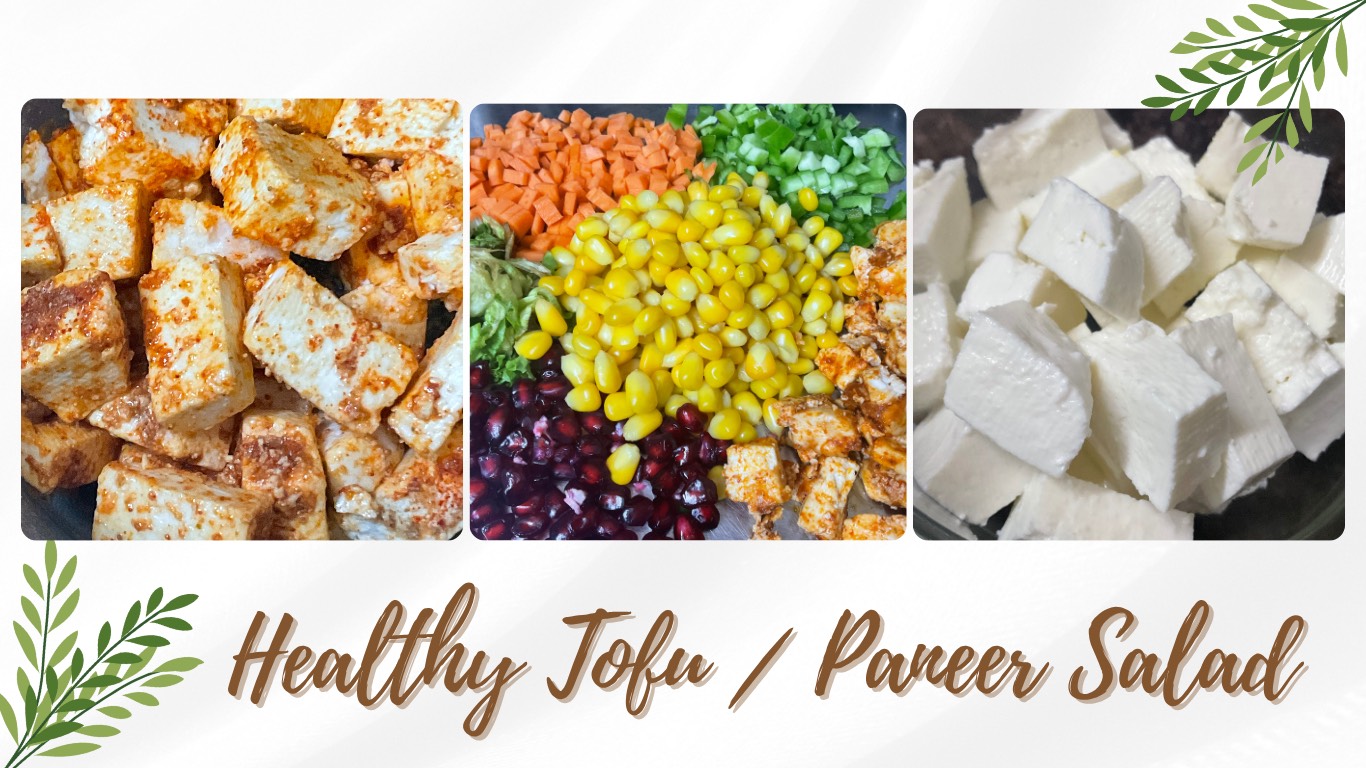
  • Tofu/ Paneer                                                – 100g
  • Kashmiri Red Chilli Powder                        -3/4th teaspoon (for marination)
  • Salt                                                                – 3/4th teaspoon (for marination)
  • Chat Masala/Amchur                                  – 1/2 teaspoon (for marination)
  • Olive oil                                           – 2 teaspoon
  • Sweet Corn Kernels                                     – 25g
  • Lettuce Leaves                                            – 2 leaves
  • Carrot                                                           – 1 small
  • Capsicum                                                     – 1/4th piece
  • Pomegranate                                              – 1/2 piece (Deseeded)
  • Salt                                                               – 1/2 teaspoon
  • Chaat masala                                              – 1/2 teaspoon
Serving Size: 1 Salad Bowl
PROCESS
  • Dice and marinate Tofu / Paneer with Red Chilli powder, salt and Chaat masala. Keep it aside for 10 minutes.
  • In a pan add water and corn kernels, boil for 5-7 minutes till tender and rest it to cool.
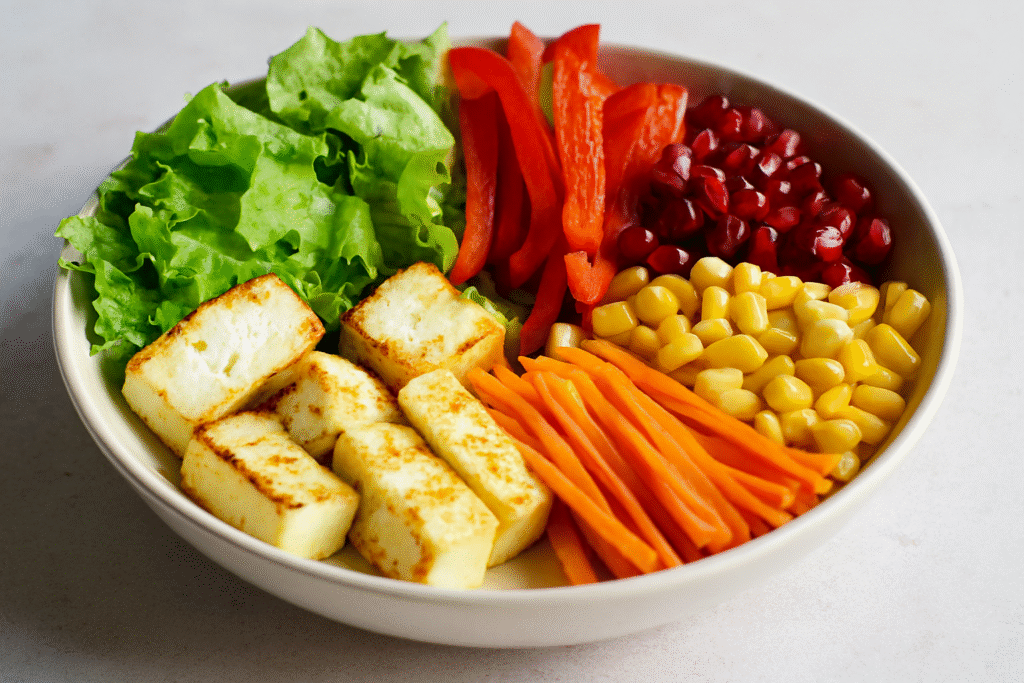
  • Chop lettuce leaves, dice carrots and capsicum, add pomegranate and put them together in the salad bowl.
  • Take a pan, to it add olive oil and pan sear the marinated tofu or paneer from 2 sides. Keep it aside and cool it.
  • Add seared tofu/ paneer and corn kernels to the salad bowl with the existing ingredients. To it add salt and chaat masala and toss the salad to mix all the ingredients together.
  • Tada!! Your health, tasty, tangy and sweet salad is ready!!!

BENEFITS OF INGREDIENTS PRESENT IN THE SALAD

Paneer and tofu are both nutrient-rich protein sources with distinct health benefits. Paneer is made from milk, is high in calcium and B-complex vitamins, which support bone strength, energy metabolism, and heart health. Its casein protein digests slowly, aiding satiety and gut function, making it ideal for vegetarians seeking muscle support and weight management.

Tofu, derived from soybeans, is a complete plant-based protein packed with heart-friendly isoflavones that may lower cholesterol and support hormonal balance. It’s low in calories, lactose-free, and often fortified with calcium and vitamin D, making it a great choice for vegans and those managing diabetes or menopause. While paneer offers richness and traditional appeal, tofu brings versatility and cardiovascular benefits—together, they can complement a balanced, health-conscious diet.

Sweet corn is a vibrant, nutrient-packed grain that offers a range of health benefits. Rich in dietary fiber, it supports digestive health and helps prevent constipation. Its antioxidants—especially lutein and zeaxanthin—promote eye health by protecting against age-related macular degeneration. Sweet corn also contributes to heart health by helping regulate cholesterol and blood sugar levels, making it suitable for people with diabetes. With its low glycemic index and natural sweetness, it satisfies cravings while aiding in weight management. Additionally, sweet corn provides complex carbohydrates for sustained energy, making it a wholesome, versatile addition to meals whether grilled, boiled, or tossed into salads.

Lettuce leaves are a hydrating; low-calorie superfood packed with essential nutrients that support overall wellness. Composed of over 95% water, they help maintain hydration and promote healthy skin. Rich in antioxidants like vitamin C, beta-carotene, lutein, and zeaxanthin, lettuce supports eye health and protects against cellular damage. Its fiber content aids digestion and bowel regularity, while potassium and folate contribute to heart health by regulating blood pressure and reducing cardiovascular risk. Certain varieties, such as romaine, contain lactucarium—a compound with mild sedative effects that may help ease stress and improve sleep. Additionally, lettuce supports cognitive function, weight management, and fetal development, making it a versatile and beneficial addition to salads, wraps, and smoothies.

Carrots are a nutrient-dense root vegetable celebrated for their wide-ranging health benefits. Rich in beta-carotene, which converts to vitamin A, they play a vital role in maintaining healthy vision and preventing night blindness. Their high fiber content supports digestion and promotes regular bowel movements, while antioxidants like carotenoids and polyacetylenes help combat free radicals and may reduce cancer risk. Carrots also contribute to heart health by regulating blood pressure through potassium and supporting skin and hair vitality with vitamin A. Despite their natural sweetness, they have a low glycemic index, making them suitable for blood sugar control. Additionally, carrots offer vitamin K and other minerals that strengthen bones and may support cognitive function, making them a smart, colorful addition to any diet.

Capsicum, also known as bell pepper, is a vibrant and nutrient-rich vegetable that offers a wide range of health benefits. It’s an excellent source of vitamins A, C, and B6, which support immune function, skin health, and energy metabolism. The high vitamin C content aids collagen production and enhances iron absorption, while antioxidants like carotenoids help combat oxidative stress and promote eye health. Capsicum also contains capsaicin, a compound with anti-inflammatory and pain-relieving properties that may help alleviate muscle aches and arthritis symptoms. Low in calories and rich in fiber, it supports digestion and weight management, and its potassium content contributes to heart health by regulating blood pressure. Additionally, capsicum may help stabilize blood sugar levels and offer protective effects against certain cancers, making it a flavorful and functional addition to a balanced diet.

Pomegranates are a nutrient-dense superfruit known for their powerful antioxidant properties and wide-ranging health benefits. Rich in vitamin C, potassium, fiber, and polyphenols like punicalagins and anthocyanins, they help reduce oxidative stress and inflammation, which supports heart health by lowering blood pressure and improving cholesterol levels. Pomegranates may also inhibit the growth of certain cancer cells, particularly in prostate and breast cancers, and their anti-inflammatory effects can ease symptoms of arthritis and joint pain. Additionally, they support immune function, enhance memory and cognitive performance, and promote urinary and digestive health through their antimicrobial compounds. Whether consumed as fresh seeds or juice, pomegranates offer a delicious and therapeutic boost to overall wellness.

THE ESSENCE OF A GOOD SALAD IS SIMPLICITY, CLEAN, BRIGHT FLAVOURS, THAT WHEN BROUGHT TOGETHER, BRING OUT THE BEST IN ONE ANOTHER

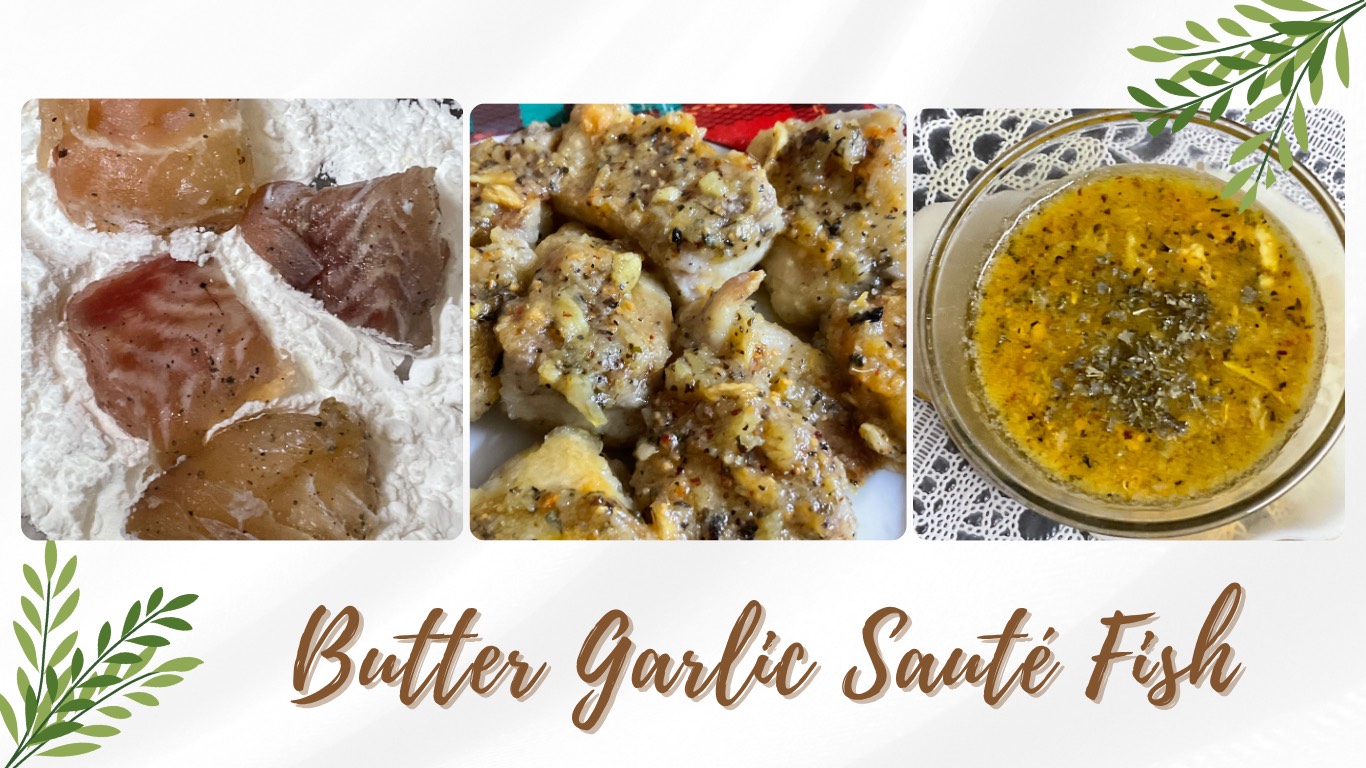
Butter Garlic Sauté/Grill Fish Recipe

INGREDIENTS
  • Fish Fillet boneless (Salmon/Basa/Surmai/Tuna etc.) – 500gm
  • Crushed Black Pepper – 1.5 teaspoon (7.5gm) [For Marination]
  • Salt – 1 teaspoon (5gm) [For Marination]
  • Garlic Powder – 2 teaspoon [For Marination]
  • Cornflour – 1.5 bowl [For Coating]
  • Olive Oil – 4 tablespoon
  • Butter – 3 teaspoon
  • Fresh Garlic (finely chopped/crushed) – 2.5 teaspoon
  • Pizza Oregano Spice Mix – 1.5 teaspoon
  • Salt – 1/4th teaspoon
  • Parsley – 10 gm
  • Refined Flour (Maida) – 1.5 teaspoon
  • Lemon – 1
PROCESS
  1. Wash the fish fillets and put them in a bowl. Add crushed black pepper, salt and garlic powder for marination and mix well. Keep aside for minimum 2 hours. (The more time you give to marination, the better it tastes)
  2. Take a pan, add a little amount of olive oil, just enough to grease the pan. coat the marinated fish fillet in cornflour and sauté in the pan, covering it with a lid until cooked and crispy from both sides. You can also grill the fish, basting it with olive oil, in a griller, barbeque or an air fryer.
  3. Take another pan, to it add 2 tablespoon olive oil, add 3 teaspoon butter to it and heat on low flame.
  4. Add finely chopped/crushed garlic to it until it turns pink. add refined four to it and cook on light flame for a minute.
  5. On lightest flame and add oregano spice mix, salt and parsley to it, mix for 30 seconds and turn the flame off.
  6. Add half a lemon’s, fresh squeezed juice to it.
  7. On hot pan seared fish apply this garlic butter sauce and serve hot.
  8. Toast a garlic bread along (optional) and enjoy the meal.

BENIFITS OF EATING FISH

Eating fish twice a week, exhibits a wide range of health benefits. This quality makes it a valuable addition to any diet. Fish is rich in omega-3 fatty acids—especially DHA— which is an extremely healthy fatty acid required by our body. Fish supports brain development, enhances cognitive function, and may help reduce the risk of depression and age-related decline in mental health. It’s also a heart-healthy choice, helping lower, blood pressure, reduce inflammation, and protect against stroke and heart disease. Fatty fish such as salmon and mackerel are excellent sources of vitamin D, which boosts immunity and bone health. As they have high-quality protein, iodine, selenium, and B vitamins, they contribute to overall vitality. Regular consumption may improve sleep quality, support eye health, ease joint pain, and even promote longevity. With its nutrient density and low saturated fat content, fish is a smart, sustainable choice for both physical and mental well-being.

BENEFITS OF GARLIC AND PARSLEY

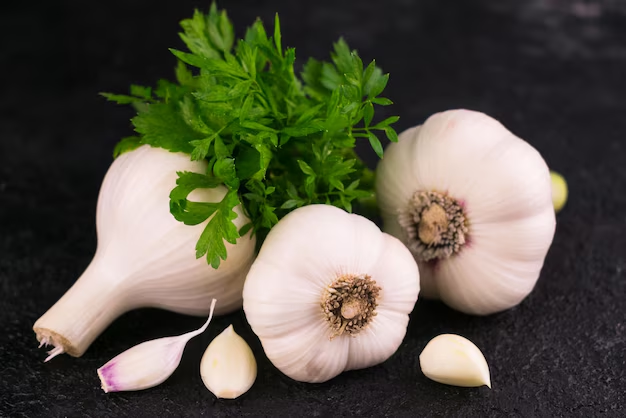
GARLIC is a powerful natural remedy packed with health benefits. Its key compound, allicin, provides strong antioxidant, anti-inflammatory, and antimicrobial effects. Regular consumption of garlic can boost immunity, lower blood pressure and cholesterol, support heart health, and help detoxify the body. It may also improve bone strength, enhance athletic performance, and promote gut health by encouraging beneficial bacteria. Whether raw or lightly cooked, garlic is a flavorful way to support overall wellness and longevity.

PARSLEY is a nutrient-rich herb with impressive health benefits. It’s loaded with vitamins A, C, and K, along with antioxidants that help reduce inflammation and support immune function. Parsley promotes heart health by lowering blood pressure and cholesterol, aids in detoxification through its diuretic properties, and supports bone strength and hormonal balance. It also contributes to better digestion and may offer cancer-fighting potential due to its flavonoid content. Adding fresh parsley to meals is an easy way to boost overall wellness.


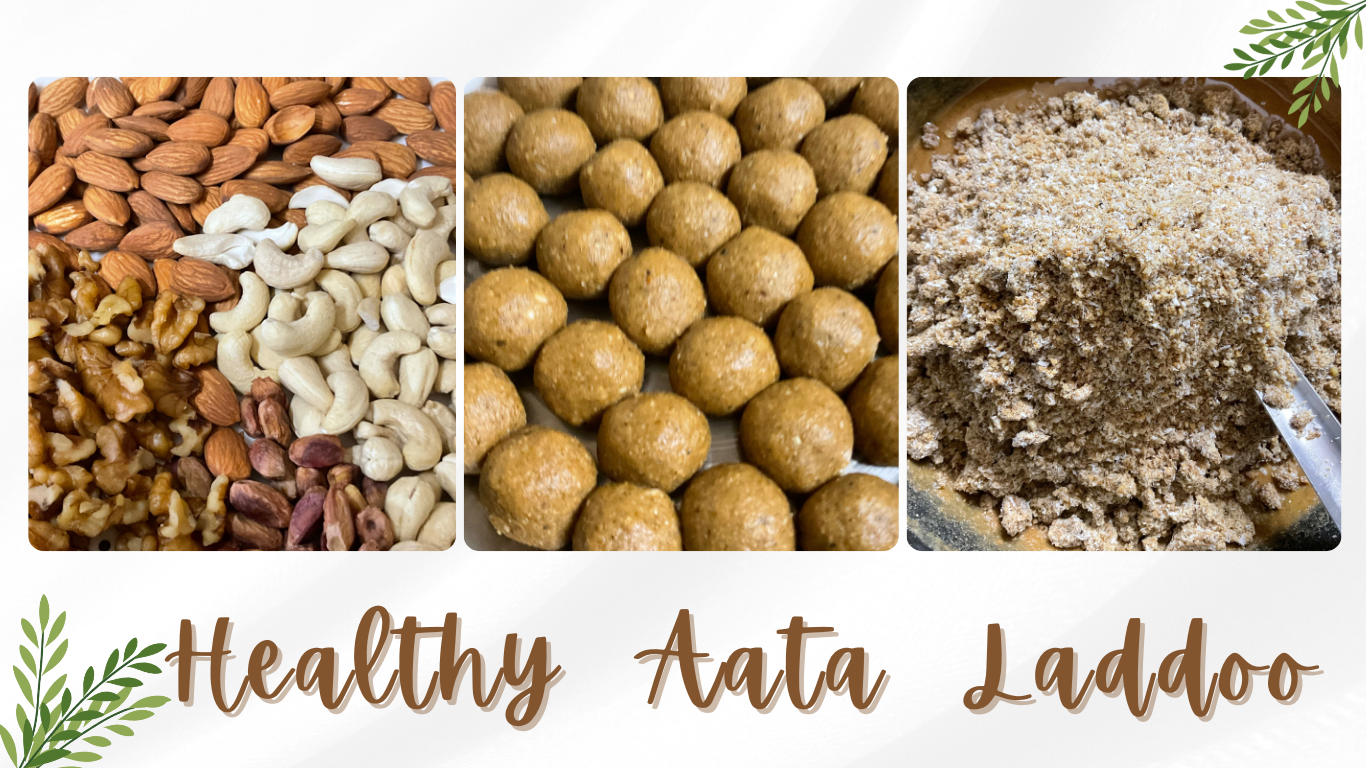
Healthy Aata Ladoo: Pregnancy Food

Aata Ladoo, a traditional Indian sweet made from whole wheat flour (Atta), is considered a safe and an extremely favourable snack during as well as after pregnancy. During pregnancy it is advised to intake Aata Ladoo’s in moderate amounts as prescribed by the Gynecologists as it depends on individual nutritional status and health conditions. Whereas post-pregnancy, it is advised to intake these Ladoo’s in good amount as it helps in producing nutritionally viable breast milk as it is often enriched with nutritionally sound ingredients like ghee, Khand, jaggery or sugar, and variety of nuts and seeds, which further enhance their nutritional value.

AATA LADDOO RECIPE

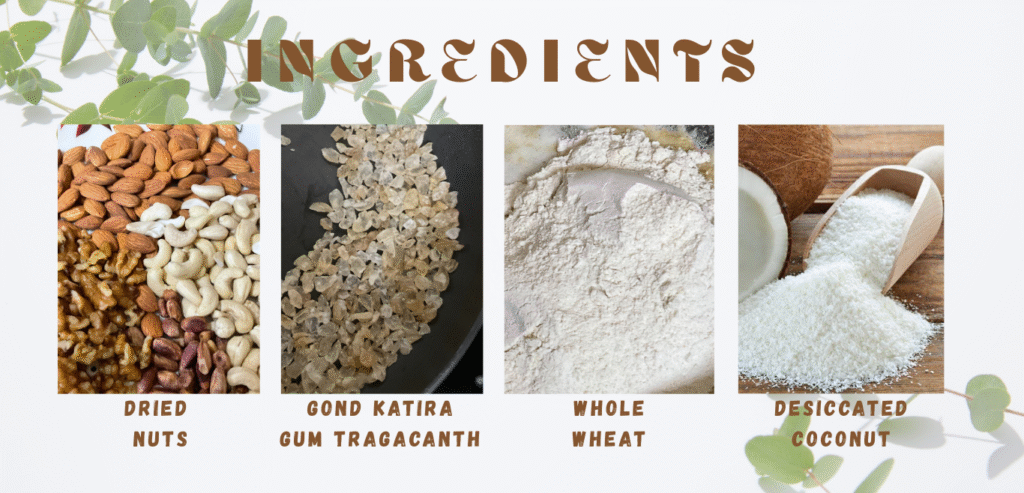
INGREDIENTS

  • Aata / Whole Wheat Flour : 500g
  • Desi Ghee : 250g
  • Almonds / Badam : 50g
  • Cashews : 50g
  • Pistachio / Pista : 20g
  • Walnuts : 20g
  • Rasins / Kishmish : 20g
  • Foxnuts / Makhana : 20g
  • Gum Tragacanth / Gond Katira : 20g
  • Cardamom / Elaichi Powder : 5g
  • Ground Sugar / Khand / Jaggery : 150g approx.

METHOD

  • In a Wok / Kadhai, heat Desi Ghee.
  • Add to it, wheat flour, on light flame, stir it with ghee continuously till it turns golden brown. Once, golden brown, take it off flame and let it cool
  • Simultaneously on another pan, dry roast gond katira and Foxnut/makhana. Heat gond till it swells and becomes crystal white, take it off flame and grind to a fine powder together with foxnuts.
  • In the same pan, dry roast all the nuts. you can either grind or fine chop them.
  • To the cooled golden-brown roasted Wheat flour, add all the above ingredients, add chopped resins, desiccated coconut and cardamom powder. Mix thoroughly.
  • To this add Ground Sugar/Khand/Jaggery/date syrup, little by little and taste it till it matches the desired sweetness.
  • Leave this mixture at room temperature and then roll them into small ball shapes between your palms. In case the Ladoo’s do not hold their shape, add a little ghee, to help them bind well.
  • Put them in a flat plate one after the other and refrigerate them in the fridge for 1-2 hours (to help them hold their shape).
  • Later store them in an airtight container and enjoy the healthy nutritious Ladoo’s.
HEALTH BENIFITS OF DRIED & ROASTED NUTS

Almonds

  • Nutrient Powerhouse: Almonds are extremely rich in essential nutrients like Vitamin E, magnesium, calcium, iron, and folate and healthy natural oils. These support fetal development and boost maternal health. In hot weather, soak them overnight and then use.
  • Brain and Nervous System Development: They contain omega-3 fatty acids and Vitamin E, which are vital for the fetus brain and nervous system development. Folate is crucial for preventing neural tube defects too.
  • Energy and Blood Sugar Regulation: Almonds provide sustained energy due to their healthy fats and protein. Their low glycemic index helps regulate blood sugar levels, which can reduce the risk of gestational diabetes.
  • Digestive Health: High in fiber, almonds can help prevent and alleviate constipation, a common issue during pregnancy.
  • Bone Health: The calcium and magnesium in almonds are essential for the formation of the baby’s bones and teeth, and for maintaining the mother’s bone density.

Cashews

  • Iron and Anemia Prevention: Cashews are a good source of iron, which is essential for preventing iron-deficiency anemia and supporting the production of red blood cells.
  • Muscle and Nerve Function: They are rich in magnesium, a mineral that helps relieve muscle cramps and supports the nervous system.
  • Brain Development: The healthy fats, including monounsaturated and polyunsaturated fats and omega-3 fatty acids. They contribute to the baby’s brain and nervous system development.
  • Cell Repair and Growth: Cashews are a good source of protein, which is vital for cell building and muscle repair for both the mother and baby.
  • Immunity: The antioxidants, zinc, and selenium in cashews can help strengthen the immune system.

Pistachios

  • Fetal Growth: Pistachios contain protein, healthy fats, and folate, which are crucial for the growth of the baby’s tissues, muscles, and brain. Folate also helps prevent neural tube defects.
  • Anemia Prevention: The combination of copper and iron in pistachios helps in the production of red blood cells, which prevents anemia.
  • Blood Sugar and Pressure Regulation: Pistachios can help regulate blood sugar levels and blood pressure, reducing the risk of gestational diabetes and hypertension.
  • Digestive Health: High in fiber, pistachios aid in digestion and can help prevent constipation.
  • Anti-inflammatory Properties: The anti-inflammatory properties of pistachios may help alleviate joint pain and swelling.

Walnuts

  • Brain Development: Walnuts are an excellent source of omega-3 fatty acids, particularly alpha-linolenic acid (ALA) and DHA, which are critical for the development of the baby’s brain and eyes.
  • Stress and Sleep: The alpha-linolenic acid in walnuts can help reduce stress and promote better sleep, which is beneficial for pregnant women.
  • Bone Health: Walnuts contain phosphorus and calcium, which are important for building strong bones for both the mother and baby.
  • Digestive Health: The dietary fiber in walnuts helps keep the digestive system healthy and can relieve constipation.
  • Cholesterol and Heart Health: Walnuts can help lower bad cholesterol (LDL) and improve heart health, which is important during pregnancy.

Raisins

  • Anemia Prevention: Raisins are a good source of iron, which helps prevent iron-deficiency anemia, a common condition during pregnancy.
  • Energy Boost: The natural sugars (fructose and glucose) in raisins provide a quick and natural energy boost to combat fatigue.
  • Digestive Health: Rich in fiber, raisins have a laxative effect that helps with digestion and prevents constipation.
  • Bone and Oral Health: They contain calcium and boron, which are beneficial for bone development and maintaining the mother’s dental health.

Gond Katira (Gum Tragacanth)

  • Post-Pregnancy Recovery: In traditional practices, gond katira is often given to new mothers to help them regain strength, repair tissues, and strengthen joints after childbirth.
  • Lactation: It is a natural galactagogue, meaning it can help increase breast milk production and improve its quality.
  • Bone Health: Gond katira is rich in calcium and protein, which are essential for developing strong bones and preventing back pain, especially after delivery.
  • Body Coolant: It has cooling properties that help regulate body temperature, which is useful during warmer weather.

Coconut

  • Hydration and Electrolyte Balance: Coconut water is an excellent natural source of electrolytes like potassium, sodium, and magnesium, which helps maintain hydration and fluid balance in the body. This is especially beneficial for managing morning sickness and exhaustion.
  • Digestive Health: Coconut water and coconut meat are rich in fiber, which can help prevent and relieve constipation and acid reflux.
  • Fetal Nutrition: Coconut water provides essential vitamins and minerals that support the growth and development of the baby.
  • Immunity: The nutrients in coconut water can help boost the immune system of both the mother and the baby.

Foxnuts/ Makhana

  • Rich in Nutrients: Foxnuts are a good source of protein, fiber, calcium, iron, and magnesium. These nutrients are vital for both the mother and the developing baby.
  • Aids Digestion: Pregnancy often brings digestive issues like constipation. Foxnuts are high in dietary fiber, which helps promote healthy bowel movements and can alleviate this common discomfort.
  • Blood Pressure and Sugar Regulation: Foxnuts contain potassium and magnesium, which help regulate blood pressure and can be beneficial for managing pregnancy-induced hypertension. Their low glycemic index also helps in managing blood sugar levels, reducing the risk of gestational diabetes.
  • Fights Fatigue: The iron and other essential minerals in foxnuts can help combat the fatigue and weakness that are common during pregnancy. They provide a quick and healthy source of energy.
  • Improves Sleep: Many pregnant women experience insomnia or disturbed sleep due to hormonal changes and discomfort. Foxnuts have mild sedative properties that can help calm the nerves and promote better sleep.
  • Antioxidant Properties: Foxnuts are rich in antioxidants, which help protect the body from oxidative stress and inflammation, supporting the overall health of the mother and the baby.
  • Lactation Support: In traditional medicine, foxnuts are considered a natural galactagogue, meaning they can help increase the quantity and quality of breast milk. The nutrients, especially calcium, protein, and antioxidants, are beneficial for both the mother and the nursing baby.
  • Postpartum Recovery: The nutrients in foxnuts can aid in postpartum recovery by helping to replenish the body’s energy stores and support tissue repair.
  • Weight Management: Foxnuts are low in calories and fat but high in protein and fiber. This makes them an excellent, satisfying snack for new mothers who are looking to manage their weight after delivery. They help curb hunger pangs without contributing to excessive weight gain.
  • Bone Health: The high calcium content in foxnuts is crucial for new mothers, as it helps to replenish the calcium lost during pregnancy and breastfeeding, thereby strengthening their bones and preventing issues like back pain.

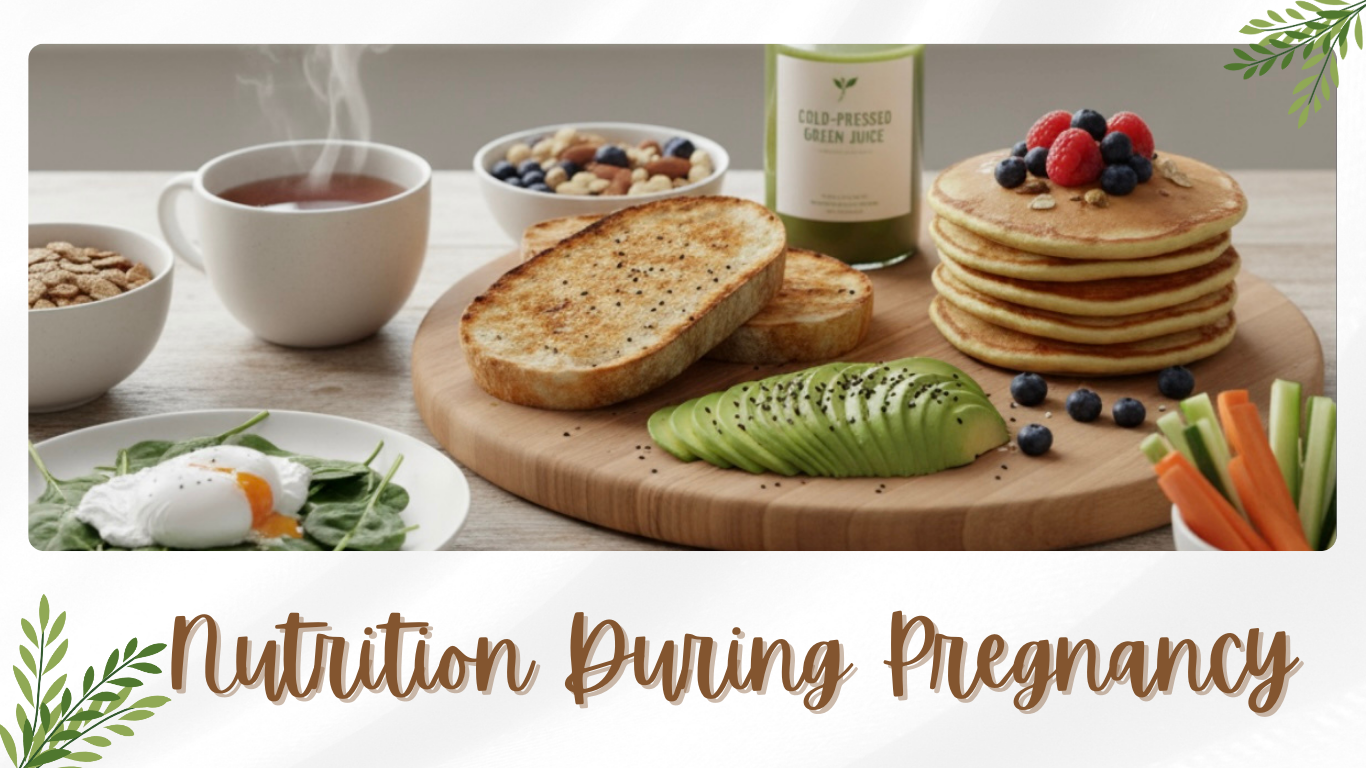
Nutrition during Pregnancy

Pregnancy is a beautiful phase of life, the poetry of creation, a quiet rhythm of a heartbeat, a whisper from tomorrow all together written in the language of hope.

Pregnancy is a sacred transition from a joyful, carefree phase of life to a much more beautiful and unique journey of immense love, hope, and creation. It is a beautiful journey as it’s not just the creation of life, rather it is the transformation of two individuals (the parents to be) into a family. For both parents-to-be, it’s a shared experience of anticipation, growth, building immense love and profound emotional connection with each other as well as with the new miracle on the way. Pregnancy invites emotional intimacy, deep care and concern. Partners navigate through physical changes, mood swings, and emotional and developmental milestones together, strengthening their relationship through shared vulnerability and support. For the father: It’s a moderate transition to a protector, a supporter and a co-creator of life. For the mother: It’s a journey of self-discovery, adaptation to life and bodily modification, resilience, and nurturing. This journey is accompanied by delightful and gratifying moves by both, the expectant mother, her well-wishers and loved ones. some of these are Love and Care by the partner, Family Support, Yoga, Meditation, Nature Walks, Listening to calm Music, Garbh Sanskar and above all is MINDFUL EATING. Mindful eating means eating with a specific purpose. in this case it refers to Nutrition during pregnancy is foundational—not just for fetal development, but for maternal health, long-term outcomes, and even inter-generational wellness.

Nutrition & Pregnancy go hand in hand

Why Nutrition Matters During Pregnancy

  • Fetal Growth & Development
    Nutrients: Major nutrients essential for forming organs, bones, and the nervous system of the baby are folic acid, iron, calcium, and protein.
  • Preventing Birth Defects
    Folate intake in adequate quantity, before and after conceiving helps reduce the risk of neural tube defects. Iodine in addition supports brain development and cognitive function.
  • Maternal Health & Immunity
    Iron helps prevents anemia, calcium helps reduce the risk of preeclampsia (High blood sugar during Pregnancy, thereby hampering other organs), and vitamin D supports development of immunity within.
  • Healthy Weight Gain
    A balanced diet full of adequate nutrients like carbohydrates, proteins, vitamins, minerals, fats and water helps in adequate weight gain, reducing risks of gestational diabetes and hypertension.
  • Preparing for Breastfeeding
    Adequate Diet and Nutritional reserves built during the period of pregnancy, helps support lactation and postpartum recovery.

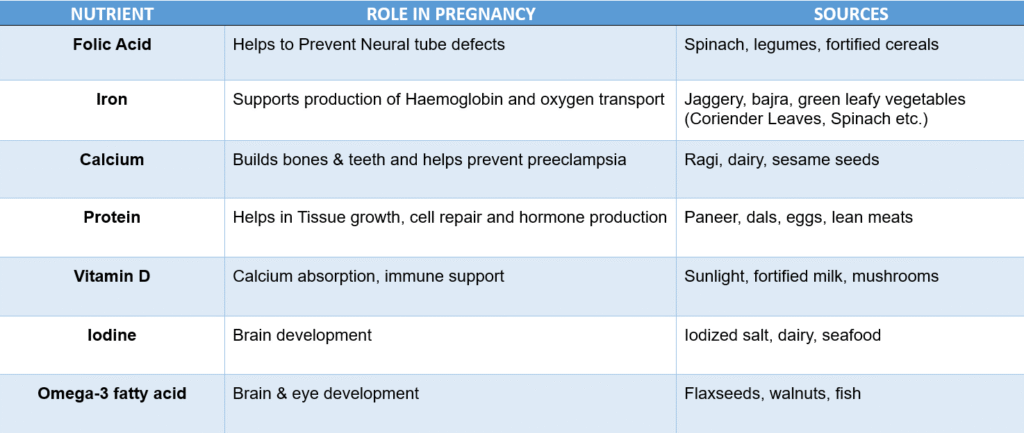
Key Nutrients & Their Roles

Nutrient required during pregnancy, their role in the body and sources

Practical Guidelines

  • Maintain energy and blood sugar – Intermittent Eating every 3–4 hours.
  • Hydrate well – Drink at least 2.5–3 liters of fluids daily.
  • Avoid sugary snacks and fried foods – Limit empty calories.
  • Eat gond laddoo’s, Drink ajwain water and coconut water – Include traditional foods as they have wonderful healing properties.
  • What’s prescribed by the doctor, take that only – To avoid toxicity (especially with vitamin A).

BE SAFE EAT WELL, SLEEP WELL, GROW WELL IS ALL WE SAY

Pregnancy is a gentle bloom,
A heartbeat dancing within the womb.
A journey of love, pure and true,
Life’s most beautiful miracle in you.

It’s more than months, it’s a sacred song,
Of patience, courage, where dreams belong.
Pregnancy — a journey divine,
Where love and creation beautifully intertwine.


RSS
Follow by Email
Instagram
Telegram
WhatsApp