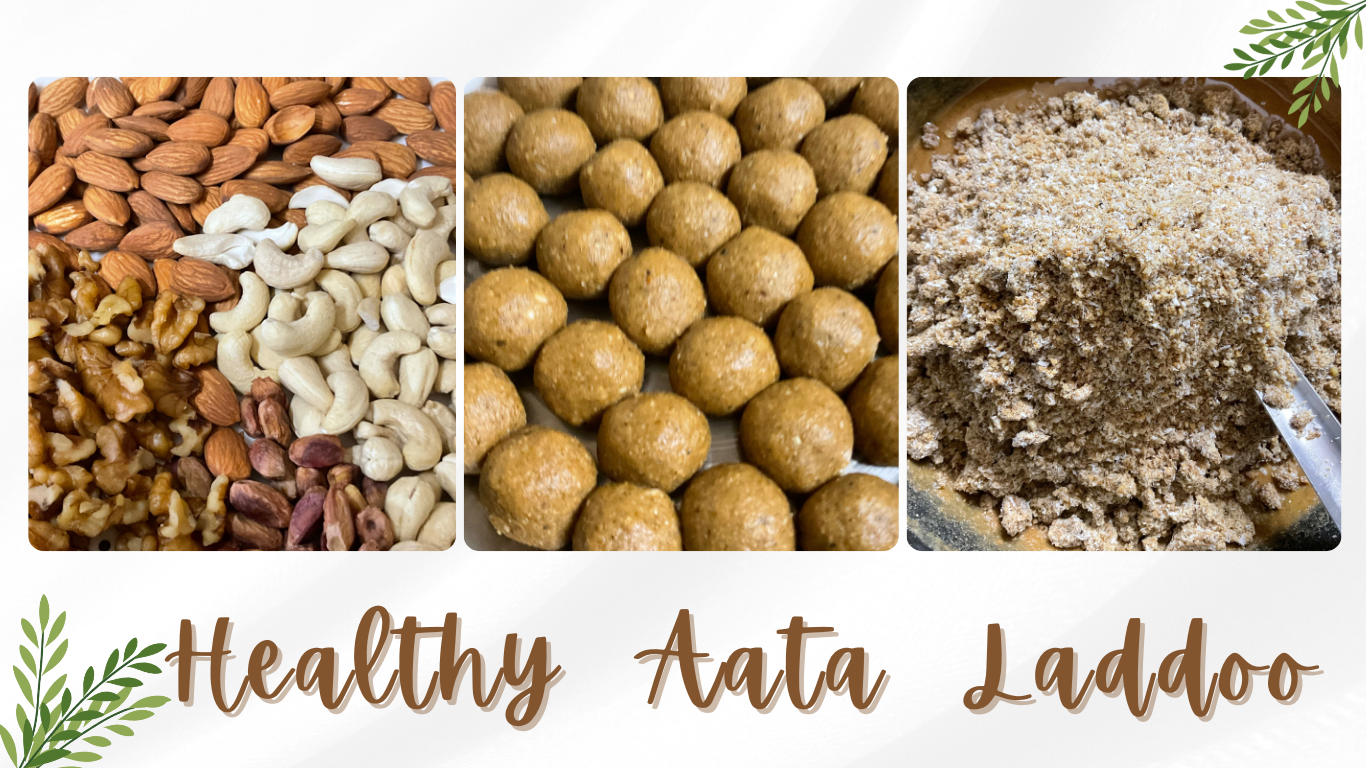
Healthy Aata Ladoo: Pregnancy Food

Aata Ladoo, a traditional Indian sweet made from whole wheat flour (Atta), is considered a safe and an extremely favourable snack during as well as after pregnancy. During pregnancy it is advised to intake Aata Ladoo’s in moderate amounts as prescribed by the Gynecologists as it depends on individual nutritional status and health conditions. Whereas post-pregnancy, it is advised to intake these Ladoo’s in good amount as it helps in producing nutritionally viable breast milk as it is often enriched with nutritionally sound ingredients like ghee, Khand, jaggery or sugar, and variety of nuts and seeds, which further enhance their nutritional value.

AATA LADDOO RECIPE

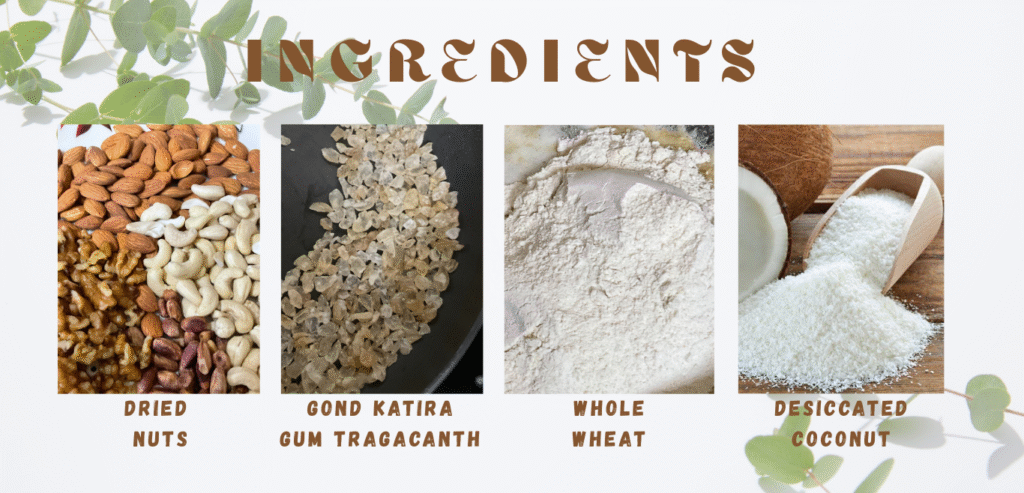
INGREDIENTS

  • Aata / Whole Wheat Flour : 500g
  • Desi Ghee : 250g
  • Almonds / Badam : 50g
  • Cashews : 50g
  • Pistachio / Pista : 20g
  • Walnuts : 20g
  • Rasins / Kishmish : 20g
  • Foxnuts / Makhana : 20g
  • Gum Tragacanth / Gond Katira : 20g
  • Cardamom / Elaichi Powder : 5g
  • Ground Sugar / Khand / Jaggery : 150g approx.

METHOD

  • In a Wok / Kadhai, heat Desi Ghee.
  • Add to it, wheat flour, on light flame, stir it with ghee continuously till it turns golden brown. Once, golden brown, take it off flame and let it cool
  • Simultaneously on another pan, dry roast gond katira and Foxnut/makhana. Heat gond till it swells and becomes crystal white, take it off flame and grind to a fine powder together with foxnuts.
  • In the same pan, dry roast all the nuts. you can either grind or fine chop them.
  • To the cooled golden-brown roasted Wheat flour, add all the above ingredients, add chopped resins, desiccated coconut and cardamom powder. Mix thoroughly.
  • To this add Ground Sugar/Khand/Jaggery/date syrup, little by little and taste it till it matches the desired sweetness.
  • Leave this mixture at room temperature and then roll them into small ball shapes between your palms. In case the Ladoo’s do not hold their shape, add a little ghee, to help them bind well.
  • Put them in a flat plate one after the other and refrigerate them in the fridge for 1-2 hours (to help them hold their shape).
  • Later store them in an airtight container and enjoy the healthy nutritious Ladoo’s.
HEALTH BENIFITS OF DRIED & ROASTED NUTS

Almonds

  • Nutrient Powerhouse: Almonds are extremely rich in essential nutrients like Vitamin E, magnesium, calcium, iron, and folate and healthy natural oils. These support fetal development and boost maternal health. In hot weather, soak them overnight and then use.
  • Brain and Nervous System Development: They contain omega-3 fatty acids and Vitamin E, which are vital for the fetus brain and nervous system development. Folate is crucial for preventing neural tube defects too.
  • Energy and Blood Sugar Regulation: Almonds provide sustained energy due to their healthy fats and protein. Their low glycemic index helps regulate blood sugar levels, which can reduce the risk of gestational diabetes.
  • Digestive Health: High in fiber, almonds can help prevent and alleviate constipation, a common issue during pregnancy.
  • Bone Health: The calcium and magnesium in almonds are essential for the formation of the baby’s bones and teeth, and for maintaining the mother’s bone density.

Cashews

  • Iron and Anemia Prevention: Cashews are a good source of iron, which is essential for preventing iron-deficiency anemia and supporting the production of red blood cells.
  • Muscle and Nerve Function: They are rich in magnesium, a mineral that helps relieve muscle cramps and supports the nervous system.
  • Brain Development: The healthy fats, including monounsaturated and polyunsaturated fats and omega-3 fatty acids. They contribute to the baby’s brain and nervous system development.
  • Cell Repair and Growth: Cashews are a good source of protein, which is vital for cell building and muscle repair for both the mother and baby.
  • Immunity: The antioxidants, zinc, and selenium in cashews can help strengthen the immune system.

Pistachios

  • Fetal Growth: Pistachios contain protein, healthy fats, and folate, which are crucial for the growth of the baby’s tissues, muscles, and brain. Folate also helps prevent neural tube defects.
  • Anemia Prevention: The combination of copper and iron in pistachios helps in the production of red blood cells, which prevents anemia.
  • Blood Sugar and Pressure Regulation: Pistachios can help regulate blood sugar levels and blood pressure, reducing the risk of gestational diabetes and hypertension.
  • Digestive Health: High in fiber, pistachios aid in digestion and can help prevent constipation.
  • Anti-inflammatory Properties: The anti-inflammatory properties of pistachios may help alleviate joint pain and swelling.

Walnuts

  • Brain Development: Walnuts are an excellent source of omega-3 fatty acids, particularly alpha-linolenic acid (ALA) and DHA, which are critical for the development of the baby’s brain and eyes.
  • Stress and Sleep: The alpha-linolenic acid in walnuts can help reduce stress and promote better sleep, which is beneficial for pregnant women.
  • Bone Health: Walnuts contain phosphorus and calcium, which are important for building strong bones for both the mother and baby.
  • Digestive Health: The dietary fiber in walnuts helps keep the digestive system healthy and can relieve constipation.
  • Cholesterol and Heart Health: Walnuts can help lower bad cholesterol (LDL) and improve heart health, which is important during pregnancy.

Raisins

  • Anemia Prevention: Raisins are a good source of iron, which helps prevent iron-deficiency anemia, a common condition during pregnancy.
  • Energy Boost: The natural sugars (fructose and glucose) in raisins provide a quick and natural energy boost to combat fatigue.
  • Digestive Health: Rich in fiber, raisins have a laxative effect that helps with digestion and prevents constipation.
  • Bone and Oral Health: They contain calcium and boron, which are beneficial for bone development and maintaining the mother’s dental health.

Gond Katira (Gum Tragacanth)

  • Post-Pregnancy Recovery: In traditional practices, gond katira is often given to new mothers to help them regain strength, repair tissues, and strengthen joints after childbirth.
  • Lactation: It is a natural galactagogue, meaning it can help increase breast milk production and improve its quality.
  • Bone Health: Gond katira is rich in calcium and protein, which are essential for developing strong bones and preventing back pain, especially after delivery.
  • Body Coolant: It has cooling properties that help regulate body temperature, which is useful during warmer weather.

Coconut

  • Hydration and Electrolyte Balance: Coconut water is an excellent natural source of electrolytes like potassium, sodium, and magnesium, which helps maintain hydration and fluid balance in the body. This is especially beneficial for managing morning sickness and exhaustion.
  • Digestive Health: Coconut water and coconut meat are rich in fiber, which can help prevent and relieve constipation and acid reflux.
  • Fetal Nutrition: Coconut water provides essential vitamins and minerals that support the growth and development of the baby.
  • Immunity: The nutrients in coconut water can help boost the immune system of both the mother and the baby.

Foxnuts/ Makhana

  • Rich in Nutrients: Foxnuts are a good source of protein, fiber, calcium, iron, and magnesium. These nutrients are vital for both the mother and the developing baby.
  • Aids Digestion: Pregnancy often brings digestive issues like constipation. Foxnuts are high in dietary fiber, which helps promote healthy bowel movements and can alleviate this common discomfort.
  • Blood Pressure and Sugar Regulation: Foxnuts contain potassium and magnesium, which help regulate blood pressure and can be beneficial for managing pregnancy-induced hypertension. Their low glycemic index also helps in managing blood sugar levels, reducing the risk of gestational diabetes.
  • Fights Fatigue: The iron and other essential minerals in foxnuts can help combat the fatigue and weakness that are common during pregnancy. They provide a quick and healthy source of energy.
  • Improves Sleep: Many pregnant women experience insomnia or disturbed sleep due to hormonal changes and discomfort. Foxnuts have mild sedative properties that can help calm the nerves and promote better sleep.
  • Antioxidant Properties: Foxnuts are rich in antioxidants, which help protect the body from oxidative stress and inflammation, supporting the overall health of the mother and the baby.
  • Lactation Support: In traditional medicine, foxnuts are considered a natural galactagogue, meaning they can help increase the quantity and quality of breast milk. The nutrients, especially calcium, protein, and antioxidants, are beneficial for both the mother and the nursing baby.
  • Postpartum Recovery: The nutrients in foxnuts can aid in postpartum recovery by helping to replenish the body’s energy stores and support tissue repair.
  • Weight Management: Foxnuts are low in calories and fat but high in protein and fiber. This makes them an excellent, satisfying snack for new mothers who are looking to manage their weight after delivery. They help curb hunger pangs without contributing to excessive weight gain.
  • Bone Health: The high calcium content in foxnuts is crucial for new mothers, as it helps to replenish the calcium lost during pregnancy and breastfeeding, thereby strengthening their bones and preventing issues like back pain.

The Rise of Indian Fashion

India has never lost touch with its roots. Even as modernization revolves round the globe, our fashion still continues to exuberate grace, subtlety and sustainability.

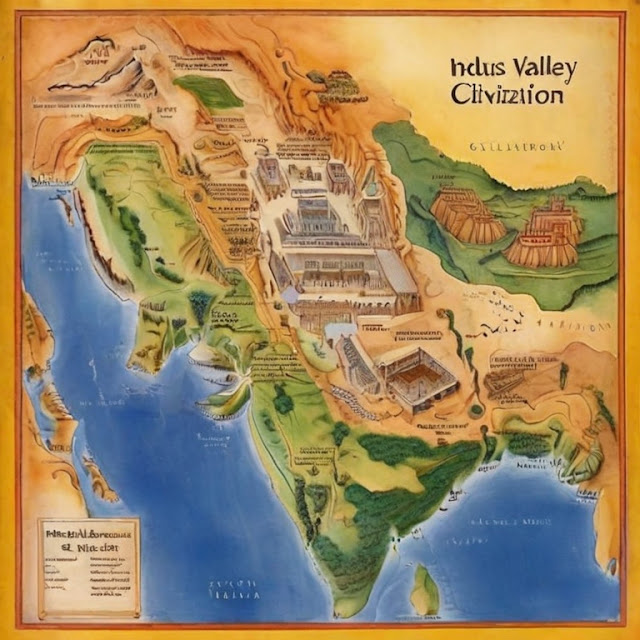
Fashion evolution in India started with the invent of Cotton Fiber. Long back, around 2500 BC, a civilization flourished in India namely Indus Valley civilization also known as Harrapan Civilization.

It flourished in the Valley near Indus River. The region extended from Manda (Jammu and Kashmir) in the north to Daimabad (Maharashtra) and from Alamgirpur (Uttar Pradesh) in the east to Pakistan (Sutkagan Dor) in the west.

This civilization was also known as the bronze age civilization and many bronze articles have been excavated from the sites of this civilization.

Indus valley civilization excavation and remains show traces of cotton cultivation and it being used as textile material and also for the purpose of trade. The civilization flourished between 3300–1300 BCE and was the first civilizations to carry out plantation of cotton plants and develop techniques for spinning and weaving it into a fabric.

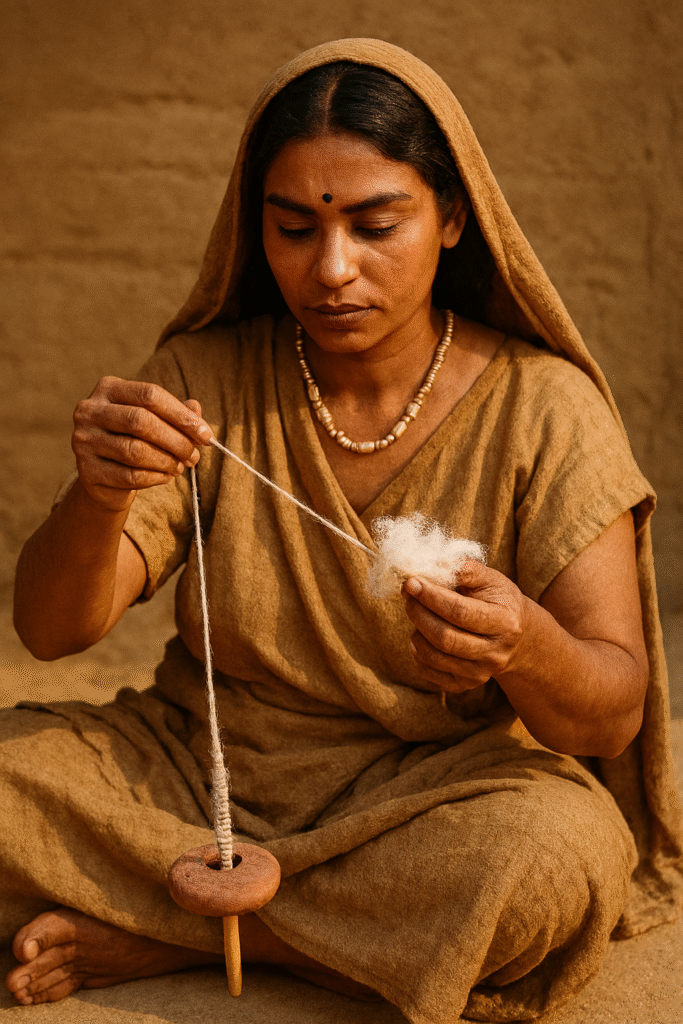
Excavations at the Harrapan cites shows remains of spindle whorls or takli, made of clay, terracotta, stone, and metals like bronze. This was a tool developed by Harrapans for spinning cotton fibres into yarns.

People wore hand-spun cotton garments dyed with natural indigo, showcasing early textile craftsmanship.

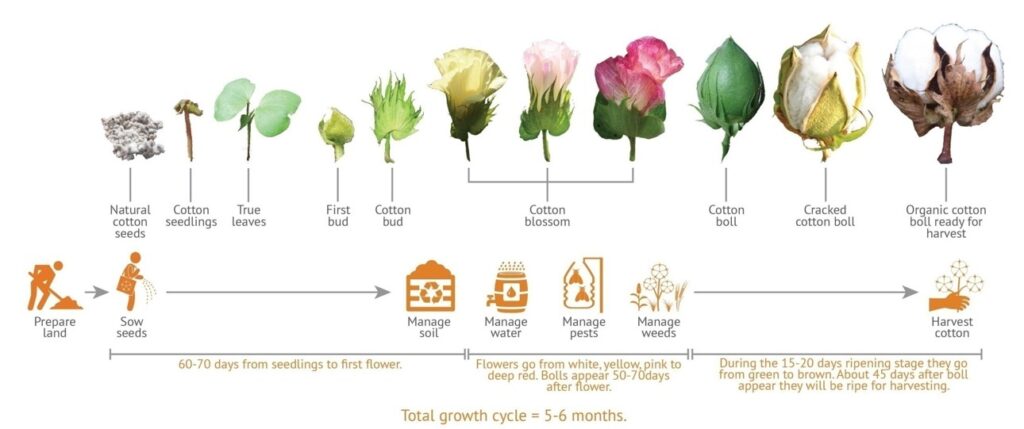
Cotton a plant fiber obtained from the SEEDS of KAPOK Plant, grown on black soil and the favourable climatic conditions prevalent in India. The process of cotton processing carried out in factories now a days, is done by machinery and is as follows:

The ancient method of processing of fibre was carried out manually, from Ginning that is plucking seed Fibre to the process of Drawing and Roving. After roving, the fibres cling to one another in the form of a fluffy thick rope known as sliver. The final step of spinning was done by spindle whorls or takli (refer to the video attached). After spinning, the yarns were woven into a fabric. India, China, Peru and Egypt were the main areas of cultivation of cotton in those primitive times.


Evolution of Cotton Cultivation, Processing & Production from then till now...

Ranging from primitive, ancient times, till medieval centuries, India became renowned for its fine cotton textiles—Muslin from Bengal, Chintz from Gujarat, and Calico from the Coromandel Coast, the eastern coastal belt of India. Cotton cultivation expanded across fertile regions, and spinning and weaving were largely artisanal, done by hand using tools like the charkha. These textiles were major exports, traded across Asia, the Middle East, and Europe.

Then came the time of Colonial Era, where British colonization drastically altered India’s cotton economy. The East India Company, established by Britishers, turned India into a supplier of raw cotton for British mills, undermining indigenous handloom industries. Mechanized mills were introduced by them in cities like Bombay and Ahmedabad, but they primarily served colonial interests. Traditional artisans thereby faced deindustrialization, and cotton processing hence shifted from decentralized village systems to urban industrial hubs.

When Indian government and majorly, Gandhiji understood the aim of British East India Company, the Swadeshi movement commenced. It thereby revived interest in indigenous cotton production and hand-spinning, symbolized by Mahatma Gandhi’s use of the charkha. This era saw a resurgence of cottage industries and a push for self-reliance. By 1947, India had a mix of handloom and mechanized cotton sectors, laying the foundation for post-independence industrialization.

At independence, India inherited a broken cotton landscape. Most of the fertile cotton-growing land had gone to Pakistan, leaving behind just 4.42 million hectares. The early decades focused on self-sufficiency, with government-led initiatives to revive cotton farming and support handloom sectors. The Cotton Corporation of India (CCI) was established in 1970 to stabilize prices and to support farmers.

The introduction of hybrid cotton varieties, notably the H-4 strain in 1970, marked a turning point. The H-4 cotton strain, also known as Hybrid-4 or Sankar-4, was a groundbreaking development in Indian agriculture. Released in 1970 by Dr. Chandrakant T. Patel at the Surat Cotton Research Station of Gujarat Agricultural University, it was the world’s first commercial cotton hybrid. These seeds improved yield and fibre quality, enabling India to expand its textile base. Mechanized spinning mills flourished in cities like Ahmedabad and Coimbatore, while handlooms continued to serve rural economies. However, productivity remained uneven due to rain-fed farming and limited irrigation.

In 2002, India approved Bt cotton—a genetically modified variety resistant to bollworms. This led to a dramatic increase in yields and reduced pesticide use, with Bt cotton covering over 90% of cotton farms by 2014. Cotton production surged, making India the world’s largest cotton producer. Yet, over-reliance on a single technology brought new challenges: pest resistance, soil fatigue, and declining biodiversity.

Recent years have seen a shift toward climate-resilient farming, organic cotton, and regenerative practices. Drip irrigation, precision agriculture, and AI-driven crop monitoring are slowly gaining ground. Despite technological strides, only 30–33% of farms use modern irrigation, and smallholder farmers still face credit and market access issues. The rise of ethical fashion and global sustainability standards has pushed Indian cotton producers to rethink fibre quality, traceability, and eco-certification.

From hand-spun yarn to automated ring spinning, India’s cotton processing has undergone a huge change. Today, the country hosts over 1,500 processing mills, 7 million power looms, and 4 million handlooms. Innovations in dyeing, printing, finishing, texturization and blending have enabled Indian cotton fabrics to compete globally—across fashion, home textiles, and technical applications.

India’s cotton story is not just about fiber—it's about farmers, artisans, technologists, and storytellers. As the industry embraces sustainability and digitization, the challenge lies in balancing tradition with transformation. Cotton remains a symbol of India’s enduring spirit—rooted in soil, spun with purpose, and stitched into history.

Fashion Forecasting: How to predict or spot fashion trends?

Future Fitz: The Art & Tech of Future Forecasting

Ever wonder how brands know we’re all about oversized blazers one season and micro-minis the next? It’s not magic, it’s a whole vibe—and a serious science. Welcome to the world of fashion forecasting. It’s the secret sauce that keeps the fashion industry a step ahead, predicting what we’ll be wearing, loving, and obsessing over before it even hits the racks.

At its core, fashion forecasting is the art of predicting future trends. It’s a mix of cultural instinct, creative insight, and hardcore data analysis that helps designers and brands figure out what colours, silhouettes, fabrics, and styles are about to blow up in the coming FASHION SEASON. It’s not just about clothes; it’s about predicting society’s mood and consumer behaviour. Fashion forecasting is like being a style detective, a trend-spotting psychic who uses data and gut feeling to predict what’s next. From the runway to the streets, social media, and even global events. It’s a complex, multi-layered process that’s part art, part science. Here’s how it all goes down:

1. The Deep Dive: Research and Data Analysis: Before a single design sketch is made, forecasters are out there, gathering intel from every corner of culture. They don’t just look at what’s hot right now; they’re analysing what’s bubbling up from the streets, what’s a subtle shift on social media, and what macro-trends (like sustainability or the rise of AI) are shaping society. This isn’t just about looking at pretty pictures—it’s about crunching numbers. They’re tracking sales data, search engine queries, and social media analytics to get a clear picture of what consumers are actually interested in.

2. The Creative Mashup: Mood Board & Trend Identification: Once the data is in, the magic begins. Forecasters start to connect the dots, clustering their findings into key themes. This is where the mood board comes to life. It’s a visual story that brings together color palettes, fabric swatches, textures, and key silhouettes. They’ll pull inspiration from everything—a viral TikTok dance, a trolling social media feed, hashtags, visuals, a piece of avant-garde art, or a cultural moment that’s sparking conversation. These mood boards are more than just a collage; they’re the DNA of a future collection, a visual guide that tells a compelling story.

3. The Storytelling: Communicating the Forecast: The final step is translating all of this research and creativity into a clear, actionable forecast. This often takes the form of a detailed trend report. It’s a comprehensive guide that not only shows what’s coming but also explains why. These reports are the roadmap for the entire fashion pipeline—from designers who need to know what to create, to manufacturers who need to source materials, to retailers who need to stock their shelves. It’s the ultimate plan to ensure the right products get to the right people at the right time.

Ultimately, the process of fashion forecasting is what keeps the industry moving forward, pushing us beyond the trends of yesterday and into the styles of tomorrow. It’s a dynamic, ever-evolving process that’s more relevant than ever in our hyper-connected world.

Sources That Slay the Trend Game

So now that you have got the lowdown on the fashion forecasting process. Now, where do the pros—and the brands you love—get their intel? Forget the crystal ball; we’re diving into the real sources that tell us what’s next.

  1. The Industry Powerhouses (The Paid-For Forecasts): These are the big leagues, the platforms that fashion schools, designers, and major corporations pay big bucks to access. They’re a goldmine of data and analysis.

WGSN (Worth Global Style Network): The OG. They’ve been around forever and are basically the Wikipedia of trend forecasting. They predict everything from colours and prints to consumer behaviour years in advance.

Fashion Snoops: Known for their deep-dive, creative trend reports. They’re all about the vibe and the story behind a trend, blending cultural insights with commercial viability.

Trendstop: This one’s all about real-time trend intelligence. They are super-fast, delivering insights on fashion, beauty, and lifestyle to help brands stay ahead of the curve.

F-trend: They map trends across 19 clothing categories and accessories, focusing on consumer behaviour and providing regional insights.

2. AI-Powered Trend Detectives: The future is now! These platforms use AI to scan billions of images and data points to give a scientific edge to forecasting.

  • Heuritech: They use AI to analyze what people are actually wearing on social media and the runways, giving brands a data-driven look at what’s rising and what’s on the decline.
  • T-Fashion: A full-stack AI platform that provides real-time trend data, helping designers research, create, and collaborate at lightning speed.

3. The Free & Fierce Resources (Your Vibe Check): For the upcoming generation, the digital natives, a lot of forecasting happens on the social media feeds. You can get a legit head start just by paying attention.

  • Pinterest Predicts: Pinterest’s annual report is fire. They track what’s blowing up on the platform and predict what’s going to be big next year. It’s a goldmine for aesthetic inspiration.
  • Instagram: The birthplace of micro-trends. Watch what’s going viral—the core aesthetics, the styling hacks, and the Do-it-Yourself (DIYs). Pay attention to everything from how people are layering to the color palettes that are taking over your FYP (For-your-Page).
  • Google Trends: This is your data playground. You can search for any term—’Quiet Luxury,’ ‘Goth‘, ‘Retro‘, ‘Balletcore,’ ‘Gorpcore‘—and see its popularity over time. It’s a literal graph of a trend’s life cycle.
DROP YOUR VIBE IN THE COMMENTS 

What’s a micro-trend you’re seeing everywhere right now that you think is about to become a major moment? Is it the return of low-rise jeans? The rise of crochet accessories? Let us know what you’re predicting!

#FashionForecasting #SustainableStyle #FutureFits #Trendsetter

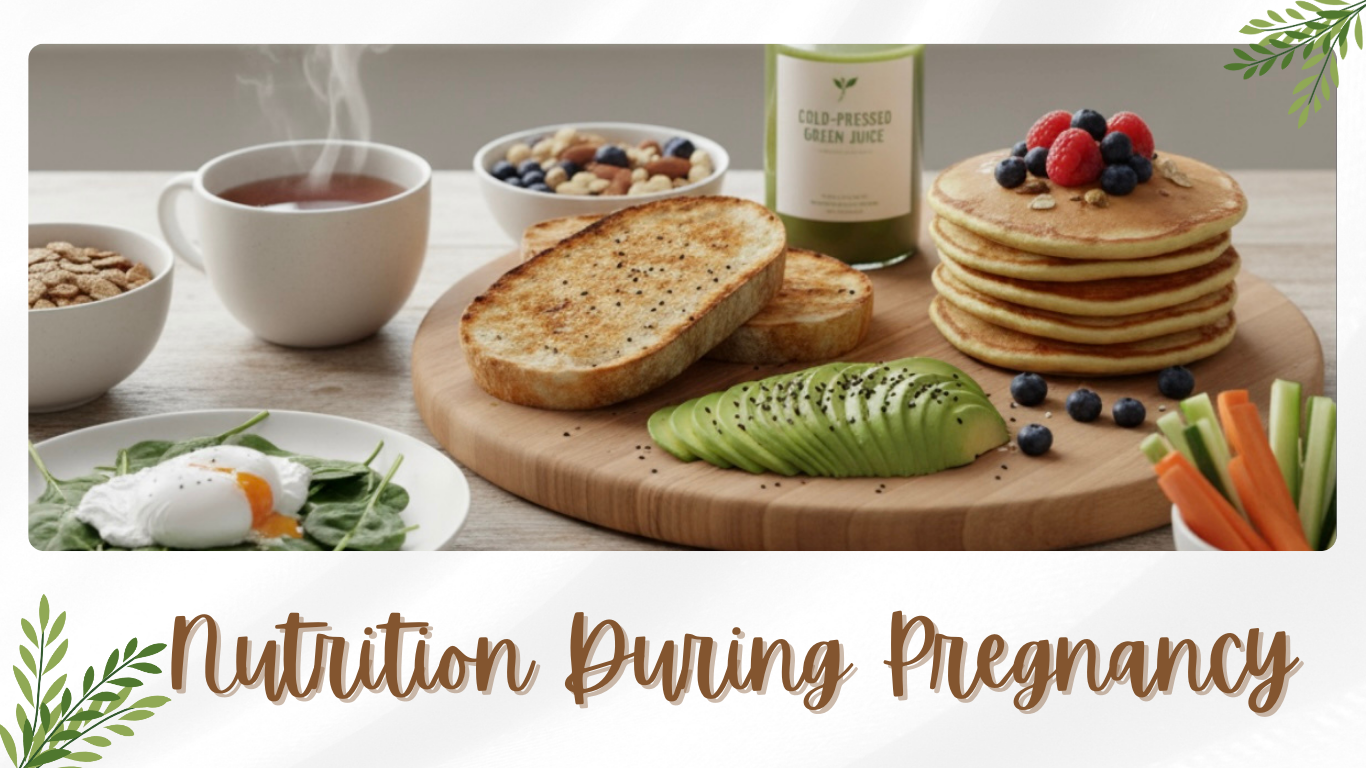
Nutrition during Pregnancy

Pregnancy is a beautiful phase of life, the poetry of creation, a quiet rhythm of a heartbeat, a whisper from tomorrow all together written in the language of hope.

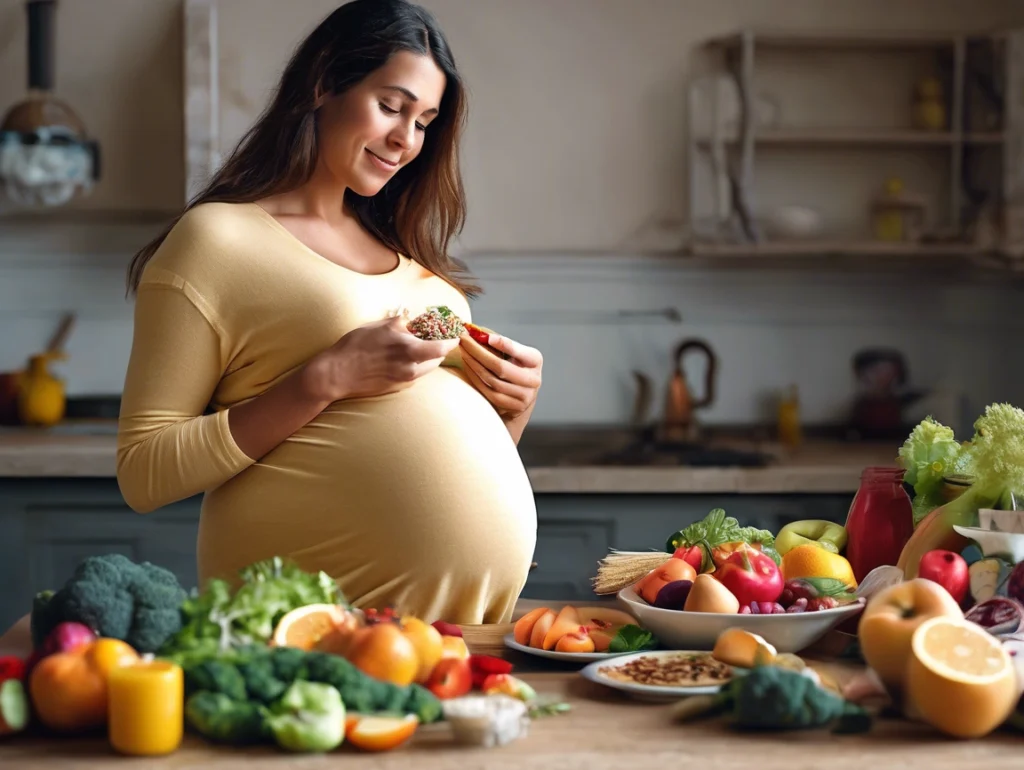
Pregnancy is a sacred transition from a joyful, carefree phase of life to a much more beautiful and unique journey of immense love, hope, and creation. It is a beautiful journey as it’s not just the creation of life, rather it is the transformation of two individuals (the parents to be) into a family. For both parents-to-be, it’s a shared experience of anticipation, growth, building immense love and profound emotional connection with each other as well as with the new miracle on the way. Pregnancy invites emotional intimacy, deep care and concern. Partners navigate through physical changes, mood swings, and emotional and developmental milestones together, strengthening their relationship through shared vulnerability and support. For the father: It’s a moderate transition to a protector, a supporter and a co-creator of life. For the mother: It’s a journey of self-discovery, adaptation to life and bodily modification, resilience, and nurturing. This journey is accompanied by delightful and gratifying moves by both, the expectant mother, her well-wishers and loved ones. some of these are Love and Care by the partner, Family Support, Yoga, Meditation, Nature Walks, Listening to calm Music, Garbh Sanskar and above all is MINDFUL EATING. Mindful eating means eating with a specific purpose. in this case it refers to Nutrition during pregnancy is foundational—not just for fetal development, but for maternal health, long-term outcomes, and even inter-generational wellness.

Nutrition & Pregnancy go hand in hand

Why Nutrition Matters During Pregnancy

  • Fetal Growth & Development
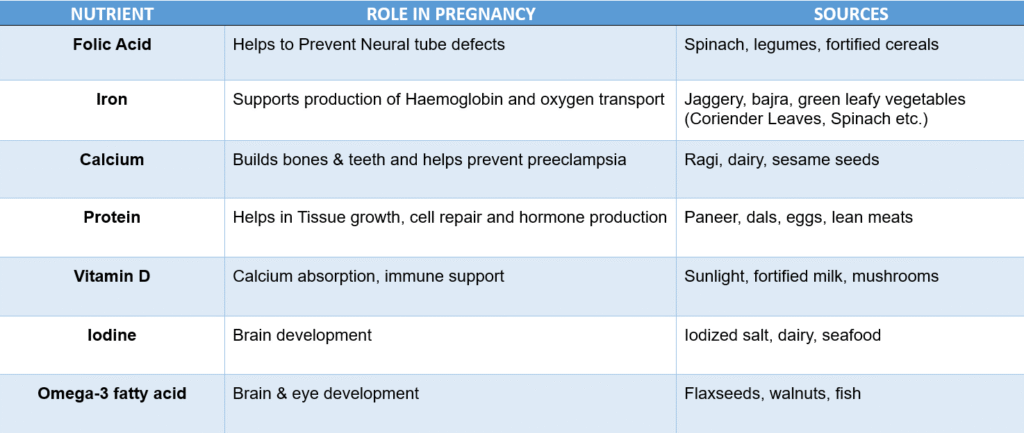
    Nutrients: Major nutrients essential for forming organs, bones, and the nervous system of the baby are folic acid, iron, calcium, and protein.
  • Preventing Birth Defects
    Folate intake in adequate quantity, before and after conceiving helps reduce the risk of neural tube defects. Iodine in addition supports brain development and cognitive function.
  • Maternal Health & Immunity
    Iron helps prevents anemia, calcium helps reduce the risk of preeclampsia (High blood sugar during Pregnancy, thereby hampering other organs), and vitamin D supports development of immunity within.
  • Healthy Weight Gain
    A balanced diet full of adequate nutrients like carbohydrates, proteins, vitamins, minerals, fats and water helps in adequate weight gain, reducing risks of gestational diabetes and hypertension.
  • Preparing for Breastfeeding
    Adequate Diet and Nutritional reserves built during the period of pregnancy, helps support lactation and postpartum recovery.

Key Nutrients & Their Roles

Nutrient required during pregnancy, their role in the body and sources

Practical Guidelines

  • Maintain energy and blood sugar – Intermittent Eating every 3–4 hours.
  • Hydrate well – Drink at least 2.5–3 liters of fluids daily.
  • Avoid sugary snacks and fried foods – Limit empty calories.
  • Eat gond laddoo’s, Drink ajwain water and coconut water – Include traditional foods as they have wonderful healing properties.
  • What’s prescribed by the doctor, take that only – To avoid toxicity (especially with vitamin A).

BE SAFE EAT WELL, SLEEP WELL, GROW WELL IS ALL WE SAY

Pregnancy is a gentle bloom,
A heartbeat dancing within the womb.
A journey of love, pure and true,
Life’s most beautiful miracle in you.

It’s more than months, it’s a sacred song,
Of patience, courage, where dreams belong.
Pregnancy — a journey divine,
Where love and creation beautifully intertwine.


The First sign of Fashion: A History of Modesty and its Origin

‘Fig leaf to First fabric- Fashion, a pure need and Necessity’

Fashion in today’s time has evolved as a way of self-expression, but thousands of years ago, fashion originated as a blend of basic need and survival. It began with the prime need to shield the skin against harsh climatic conditions like heat, cold, dirt, dust, snow, rain etc. and was so known by the name ‘Second Skin’. The Bible too Reads:

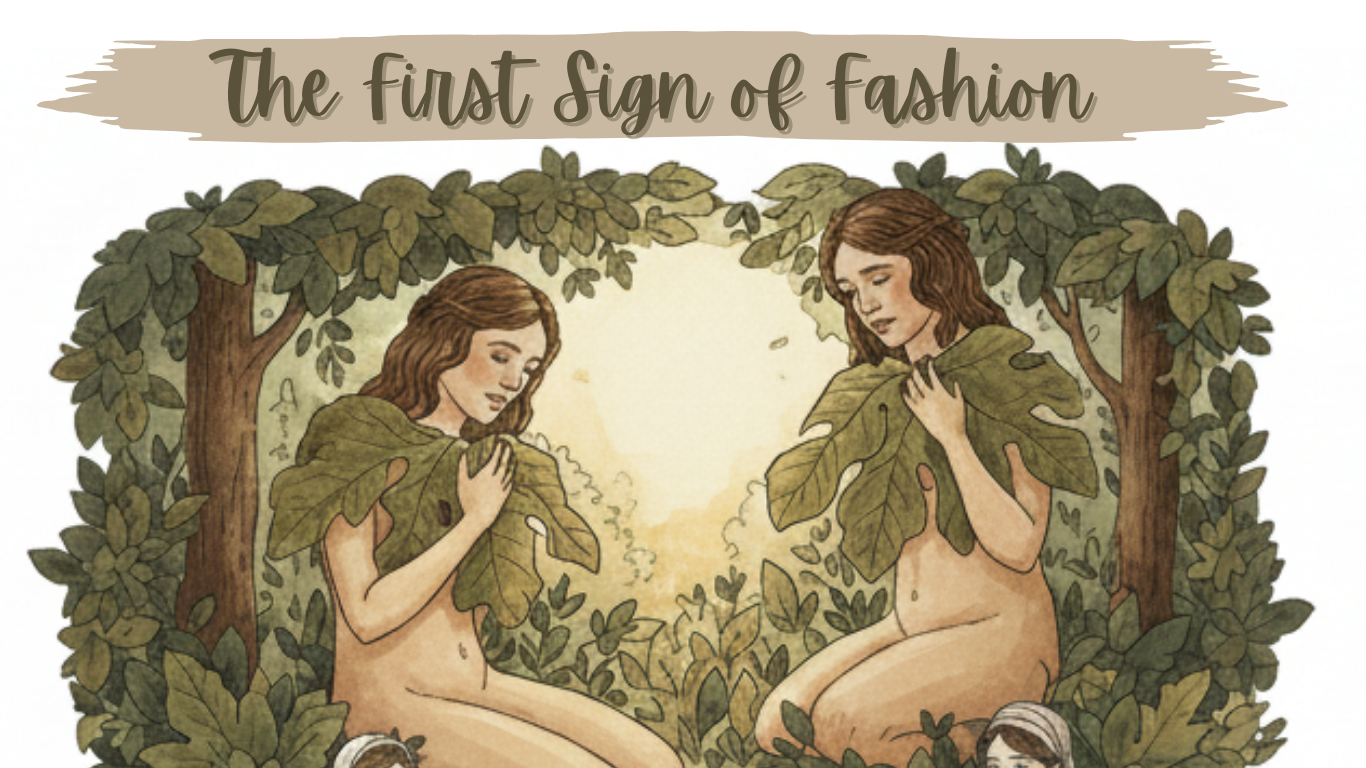
“And the eyes of Adam and Eve opened, they saw that they were naked, so they sew Fig Leaves together, and made themselves Aprons”

So, earlier animal skin, fur, fig leaves, barks of trees etc. were the only form of clothing used to protect oneself from harsh climatic condition. Going even before this time… people used to adorn their bodies with paint, shells, beads, feathers etc.

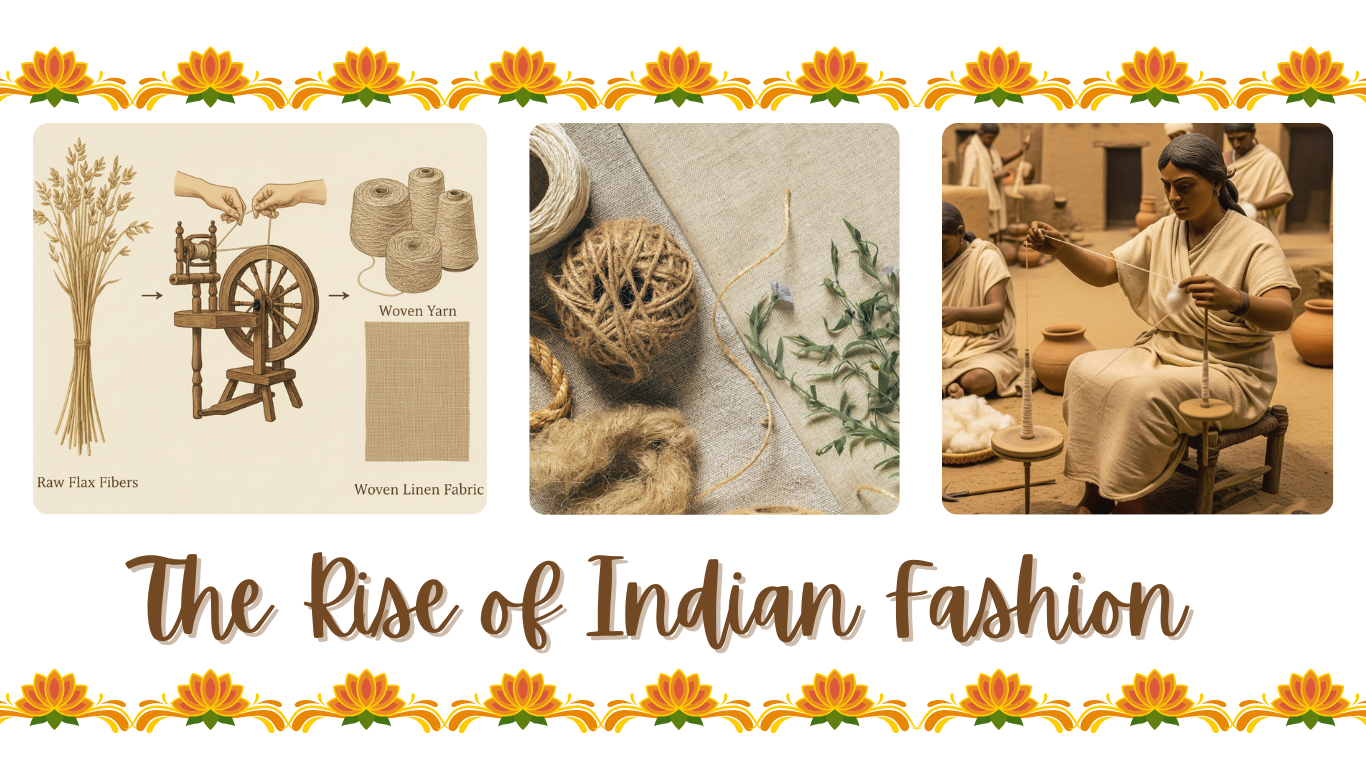
Fashion evolved with evolution of Civilizations. By the beginning of bronze age, as studied by archeologists, world over, traces of woven fabric from natural fibers could be seen in the remains of the civilized sites. The Egyptians were the ones to discover a fiber first that was later converted into a fabric, near around 2000 BC. That fiber was fine LINEN, obtained from the stem/bast of the Flax Plant, and is widely used as a Trendy summer wear fabric even today. (Image Source: camixa.com).

Brands like H&M, Zara, Arrow, Raymonds and many others are manufacturing ready-to-wear garment collections using linen. It is a highly sustainable fiber and hence is a proven eco-conscious fiber. Eco-conscious fibers are the ones that minimize environmental impact throughout their lifecycle from sowing of seed to production to consumption and finally disposal.

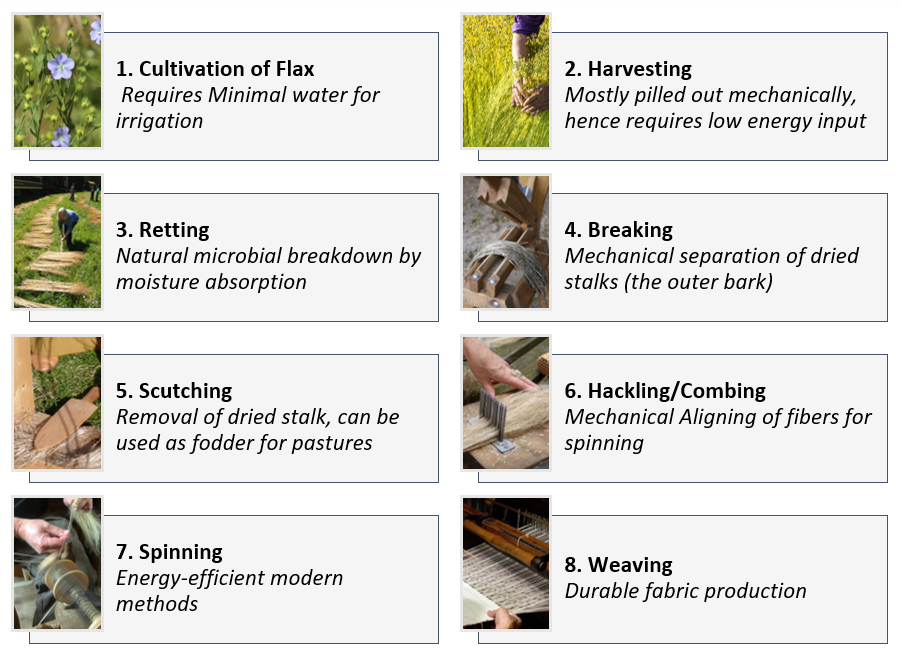
Flax fibers are amongst the oldest grown fibers on earth, known to mankind. Flax plan grows in dry and hot climatic condition. Egypt being very near to equator since ancient times, had the appropriate climatic condition for flax plant to grow. It’s generally a 2-4 feet long plant that has the strong, flexible fibers running in its stalk/ stem/ bast till the root tips. It is hence uprooted or pulled from the soil to process it into a fiber. The processing of linen’s lifecycle is shown in the chart.

Each step stated in the chart uses manual or light mechanical procedure, in ancient times there were neither power generated machineries (a major source of carbon footprint today) nor were there technological sound instruments. Today we stand at the crossroads of innovation, sustainability and inclusivity. Fashion redefines itself everyday —not just as a form of expression, but also as a force to bring about change. The yarns of the past have woven an opulent tapestry, but the future of fashion belongs to this generation, to innovate with intention, creativity, and conscience. Let’s pledge to use fashion in a sustainable way, buy consciously, buy less, use eco-conscious fibers like Linen, Cotton, Hemp, Jute, Ramie, Sisal, Coir, Manila, Bamboo, Silk, Wool, organic fibers and all natural sources.

“Fashion is no longer just stitched in a fabric—it’s embroidered with ethics, coded with tech, and dyed in the colors of change. Let’s not just wear fashion—let’s shape it with Sustainably and inclusively”


RSS
Follow by Email
Instagram
Telegram
WhatsApp